


-

Add: HeBei ShengShi HongBang Cellulose Technology CO.,LTD.
-

Email
13180486930@163.com -

CONTACT US
+86 13180486930



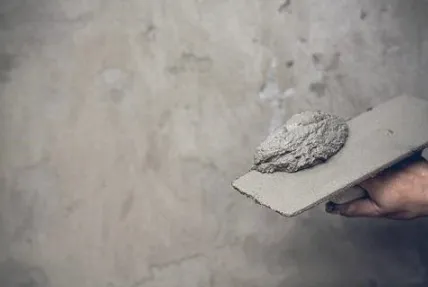


El Hormigón Armado con Polifibras Innovación y Ventajas en la Construcción Moderna El hormigón armado ha revolucionado el sector de la construcción desde su introducción, proporcionando estructuras más resistentes y duraderas. Sin embargo, con el tiempo, la búsqueda de materiales que potencien aún más las características del hormigón ha llevado al desarrollo del hormigón armado con polifibras. Este innovador enfoque combina las propiedades del hormigón con la añadidura de fibras, lo que se traduce en múltiples ventajas para diferentes aplicaciones en la construcción. Las polifibras, que pueden ser de diferentes materiales como polipropileno, acero o vidrio, son elementos que se incorporan al hormigón en forma de filamentos finos. Su inclusión en la mezcla no sólo mejora el comportamiento mecánico del material, sino que además aporta beneficios significativos en términos de durabilidad y resistencia a la fatiga. Esto es especialmente relevante en estructuras sometidas a condiciones extremas, tales como las que se encuentran en regiones sísmicamente activas o en ambientes industriales agresivos. El Hormigón Armado con Polifibras Innovación y Ventajas en la Construcción Moderna Además de su resistencia a las fisuras, el hormigón con polifibras presenta una mejora notable en su durabilidad. Las fibras actúan como un refuerzo adicional, permitiendo que el hormigón se adapte mejor a los cambios ambientales. Por ejemplo, en entornos donde el hormigón puede estar expuesto a ciclos de congelación y descongelación, la adición de polifibras puede prevenir el daño estructural que comúnmente resulta de estos ciclos. Esto se traduce en una vida útil más larga para las estructuras construidas con este material, lo que es un factor decisivo en proyectos de gran envergadura y costo elevado. béton armé de polyfibres El uso de hormigón armado con polifibras también se asocia con una mayor eficiencia en el proceso constructivo. Al reducir la necesidad de control constante de fisuras y garantizar una mejor cohesión del material, los tiempos de construcción pueden disminuir. Esto no solo favorece la planificación de proyectos, sino que también reduce los costos operativos, permitiendo un uso más eficiente de los recursos. Otro aspecto a considerar es el impacto ambiental del uso de hormigón armado con polifibras. A medida que las industrias buscan opciones más sostenibles, la utilización de fibras recicladas en la producción del hormigón ofrece una alternativa ecológica. Este tipo de hormigón no solo optimiza el rendimiento de las estructuras, sino que también contribuye a la reducción de residuos, alineándose con los objetivos de desarrollo sostenible. En la práctica, el hormigón armado con polifibras se ha utilizado en una variedad de aplicaciones, desde pavimentos y elementos prefabricados hasta estructuras más complejas como puentes y edificios de gran altura. Su versatilidad y superioridad técnica en comparación con el hormigón tradicional lo han posicionado como una opción preferente en proyectos innovadores. En conclusión, el hormigón armado con polifibras representa un avance significativo en la construcción moderna. Al combinar robustez, durabilidad y eficiencia, este material no solo responde a las exigencias contemporáneas del sector, sino que también plantea un futuro más sostenible para la infraestructura. La adopción de estas tecnologías en diferentes obras es, sin duda, una inversión en la calidad y longevidad de las construcciones, un factor esencial en la planificación urbana y el desarrollo de comunidades más resistentes y eficientes.
- 40000tons

Production
- 20+years

Experience
- 5000+㎡

Acreage

-
Nitrile rubber powder , a versatile polymer, is becoming an indispensable asset in numerous industrial sectors. Its unique attributes make it a go-to material for applications requiring resilience, durability, and flexibility. Exploring the numerous facets of nitrile rubber powder provides insight into why it is favored by industries ranging from automotive to consumer goods. Renowned for its remarkable resistance to oils, chemicals, and heat, nitrile rubber powder is a material that stands out for its durability. This attribute is particularly advantageous in manufacturing automotive components such as seals, gaskets, and hoses that frequently encounter harsh environments. These components require a material that does not degrade quickly, thereby ensuring extended service life and reliability in vehicle performance. Another noteworthy feature of nitrile rubber powder is its flexibility. Despite being robust, it can be easily molded, which makes it ideal for creating detailed and complex parts without compromising on strength. Flexibility is a key factor in producing items that require precision and adaptability, such as O-rings and cushioning materials used in various machinery and consumer products. In addition to flexibility and durability, nitrile rubber powder exhibits excellent adhesive properties. This allows for enhanced bonding when combined with other materials, which is crucial in crafting composite products used in construction, electronics, and healthcare. For example, in the construction industry, it is used in adhesives and sealants to provide waterproofing and integrity to structures, ensuring they withstand time and environmental factors. One cannot overlook nitrile rubber powder’s resistance to temperature variations. Its ability to maintain structural integrity across a wide temperature range makes it invaluable for applications exposed to extreme conditions, such as in aerospace or refrigeration systems. In these scenarios, the material’s performance determines safety and functionality, underscoring its importance in critical applications. nitrile rubber powder Moreover, nitrile rubber powder's ease of handling and processing makes it cost-effective for manufacturers. The efficiency in production translates to lower costs without sacrificing quality, a crucial factor for industries aiming to optimize expenditure while maintaining high standards. This aspect is vital for large-scale manufacturing operations where consistency and efficiency are paramount. From an environmental standpoint, nitrile rubber powder’s development has focused on reducing its ecological footprint. Manufacturers are investing in eco-friendly production methods, including recycling initiatives and the creation of compounds that reduce emissions and waste. This focus aligns with global movements towards sustainability, making nitrile rubber powder an attractive option for companies prioritizing environmentally conscious practices. Healthcare is another sector reaping the benefits of nitrile rubber powder. Its hypoallergenic properties make it suitable for producing medical devices and protective gear, such as gloves, which are essential in hospital settings. The material's robustness ensures that these products provide the necessary protection against contaminants, ensuring the safety of healthcare professionals and patients alike. Additionally, recent advancements in polymer chemistry have propelled nitrile rubber powder into new realms of innovation. Research and development are unlocking new potentials, such as enhancing its electrical conductivity for use in electronic parts, thereby widening its scope of application. Such innovations not only elevate the utility of nitrile rubber powder but also reinforce its standing as a premium choice for cutting-edge developments. In summary, nitrile rubber powder is an essential material whose attributes cater to various industry needs, from resisting adverse conditions to providing cost-efficient manufacturing benefits. As industries continue to evolve, the adaptability and reliability of nitrile rubber powder ensure its place as a cornerstone material in both traditional and emerging applications. The ongoing research and shift towards sustainable practices promise a bright future for this polymer, underscoring its role in advancing industrial innovation and environmental responsibility.
-
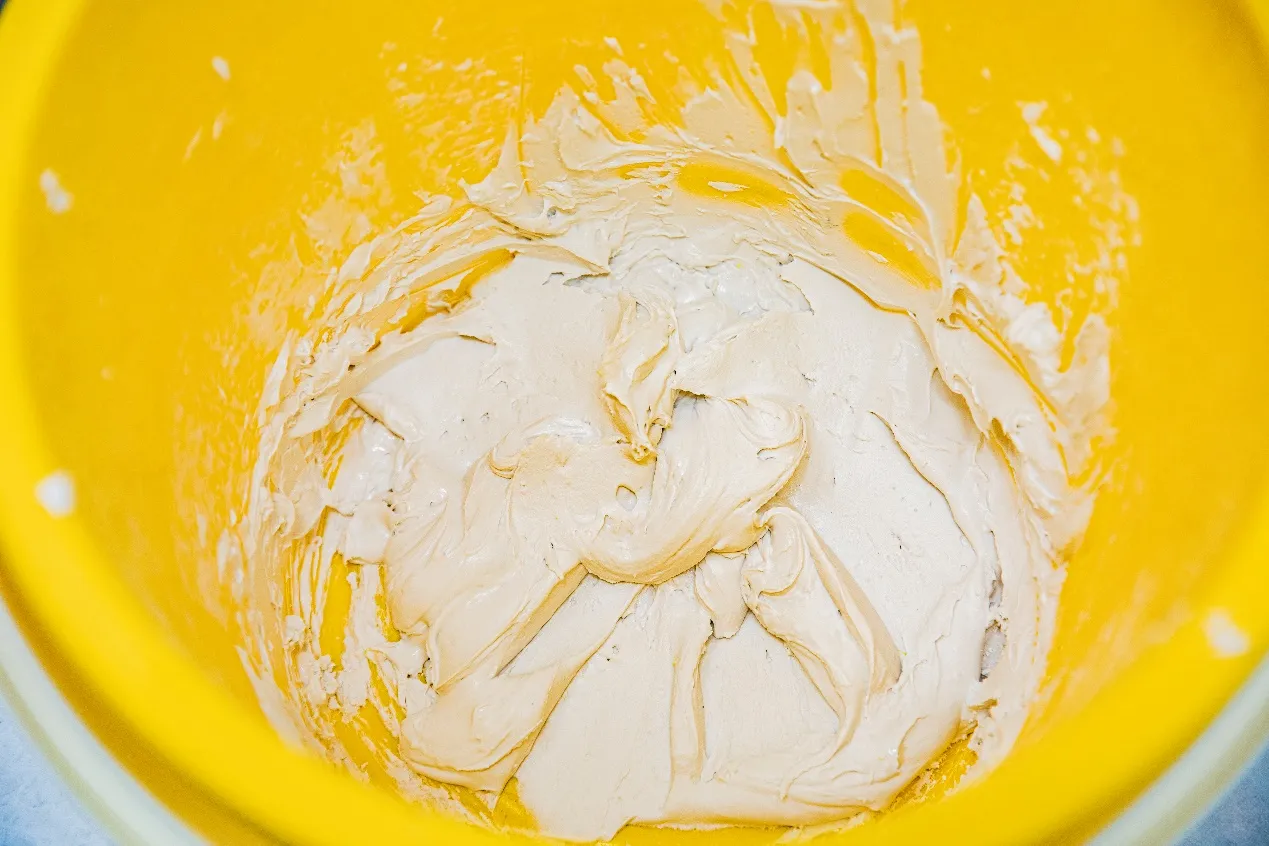
Understanding Hydroxy Methyl Cellulose Expert Insights into a Versatile Product Hydroxy methyl cellulose (HMC), a remarkable compound with multifaceted applications, remains pivotal across various industries. Its versatility is underpinned by its unique chemical properties and adaptability, which ensure it remains a staple in fields ranging from construction to pharmaceuticals. At the core of HMC's utility is its water-solubility and ability to form films, making it invaluable in industries requiring binding agents, emulsifiers, or thickening agents. Upon dissolution in cold water, HMC exhibits high viscosity, a trait particularly prized in the construction industry. Here, it acts as a phenomenal binder and stabilizer in cement, mortar, and plaster. Its inclusion not only enhances workability but also improves the product's longevity by increasing water retention. This reduction in evaporation allows for a slower, more uniform curing process in concrete, ultimately leading to stronger structures that can withstand environmental extremes. Pharmaceutical and medical sectors leverage hydroxy methyl cellulose's inert nature, using it as a drug delivery agent. Its film-forming properties facilitate the creation of controlled-release medication coatings, which ensure consistent dosage and enhance bioavailability. The compound's non-toxic characteristic further positions it as an ideal candidate for ophthalmic preparations. It serves as an active ingredient in artificial tear solutions, delivering comfort to dry eyes by mimicking the eye's natural mucous. In the realm of food and personal care products, HMC’s expertise resonates in its role as a thickener and stabilizer. The compound is frequently utilized in sauces, dressings, and bakery products, where it ensures an even texture and consistency. A testament to its safety and reliability, HMC conforms to food-grade standards and regulations worldwide, assuring consumers of its trusted quality. hydroxy methyl cellulose Moreover, HMC excels in personal care formulations, ranging from shampoos to lotions. Its moisturizing properties are harnessed in cosmetic products, where it maintains product stability and extends shelf life by preventing the separation of ingredients. Experts often highlight its non-irritating nature, making it suitable for sensitive skin and enhancing its appeal in hypoallergenic product lines. The paper industry benefits from HMC’s binding properties as well . It improves the bond between fibers, resulting in better quality paper with increased tensile strength. The addition of HMC also enhances the printing quality by providing a smoother surface finish, significantly contributing to the final product’s aesthetic appeal. When discussing authority, it's essential to reference regulatory bodies that recognize and approve HMC for various applications. From the FDA's endorsement for ophthalmic and pharmaceutical uses to its GRAS (Generally Recognized as Safe) status in food applications, HMC’s credibility is thoroughly established. Trustworthiness in hydroxy methyl cellulose stems from decades of rigorous scientific research and countless successful implementations across multiple markets. Consumers and manufacturers alike continue to rely on its proven performance, consistently delivering results that meet and exceed expectations. In summary, hydroxy methyl cellulose's extensive use is a testament to its exceptional chemical properties and versatility, serving both industrial and consumer needs with unparalleled effectiveness. As innovation continues to propel industries forward, HMC’s application range is likely to expand, offering novel solutions to conventional challenges, underlining its stature as an indispensable material in the modern age. The fusion of experience, expertise, authority, and trust in this compound not only underscores its historical significance but also its promising future across the global market.
advantages
-

200000 Viscosities
Excellent product
We can produce pure products up to 200,000 viscosities
-

40000 tons
High yield
We don’t stop production all year round, and the annual output can reach 40,000 tons
-

24 hours
Quality service
We provide 24-hours online reception service, welcome to consult at any time
———— Inquiry Form
Schedule A services



-
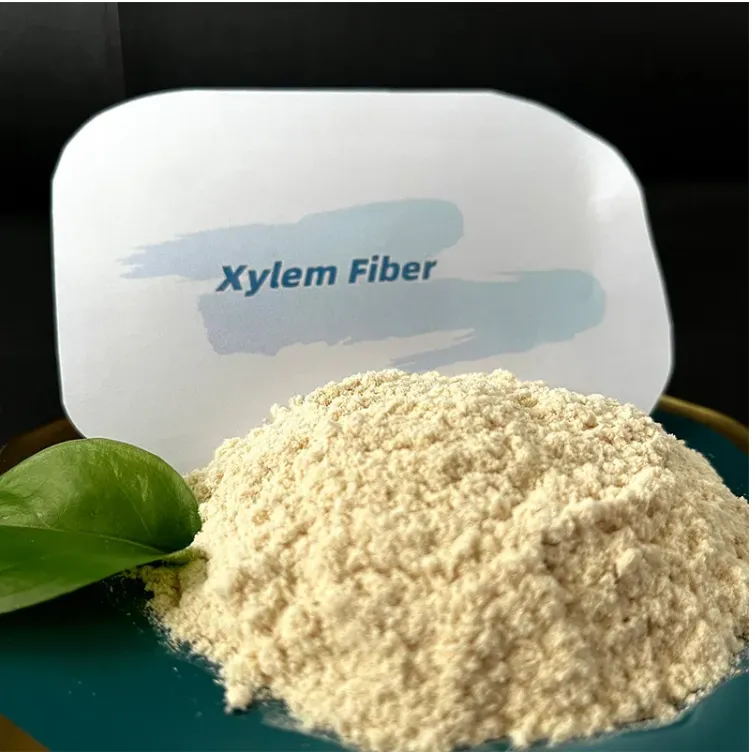 wood_and_cellulosic_chemistry
Oct . 25, 2025
Hydroxypropyl Methylcellulose (HPMC) is a versatile compound with extensive applications across vari -
 hpmc_vs_hpc
Oct . 25, 2025
Understanding Confix PP Fiber A Breakthrough in Material Science In the quest for advanced materials -
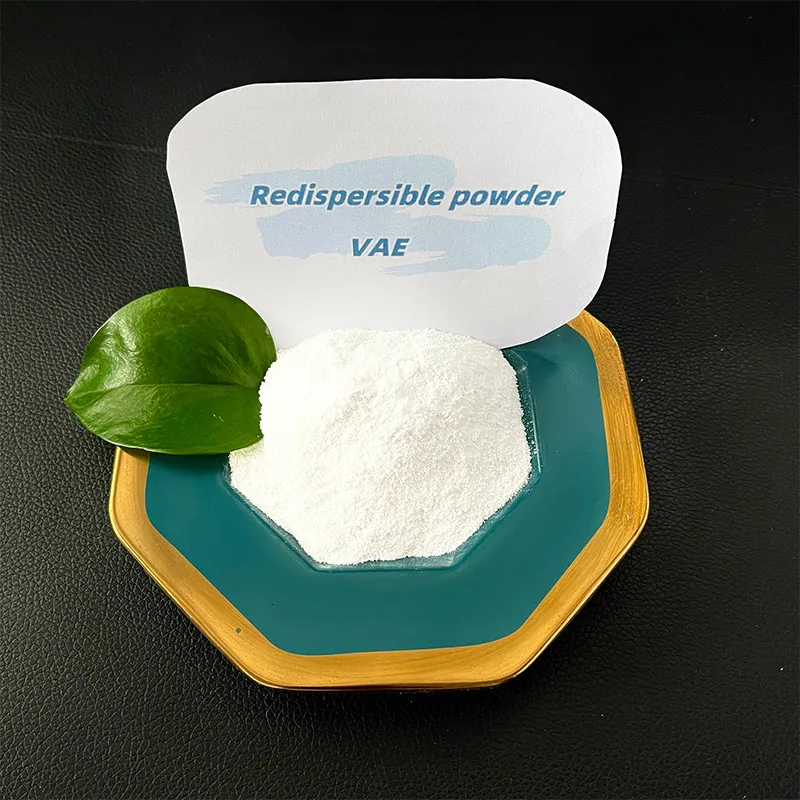 hydroxypropyl_methylcellulose_in_shampoo
Oct . 25, 2025
Polypropylene fiber ( PP fiber ) has transformed the synthetic fiber market with its remarkable tech


